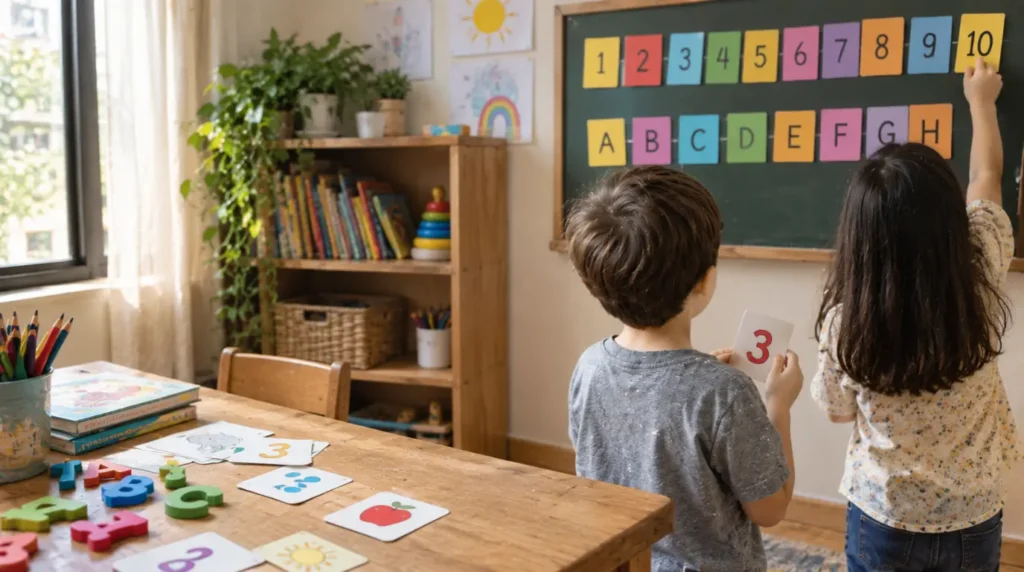
Teaching young children their first numbers and letters is an exciting part of early learning. At preschool age, children are naturally curious and eager to explore the world around them. Parents and teachers can make early education enjoyable by turning lessons into games, conversations, songs, tracing activities, and everyday learning opportunities. Resources such as printable worksheets, coloring pages, number hunts, and tracing activities can also give children opportunities to practice at their own pace. PlayLearnFree provides free printable activities designed for preschool and kindergarten children. If you are looking for simple ways to introduce the alphabet and numbers to preschool children, these ten tips can make learning more natural, enjoyable, and effective.
1. Start With Everyday Objects and Conversations
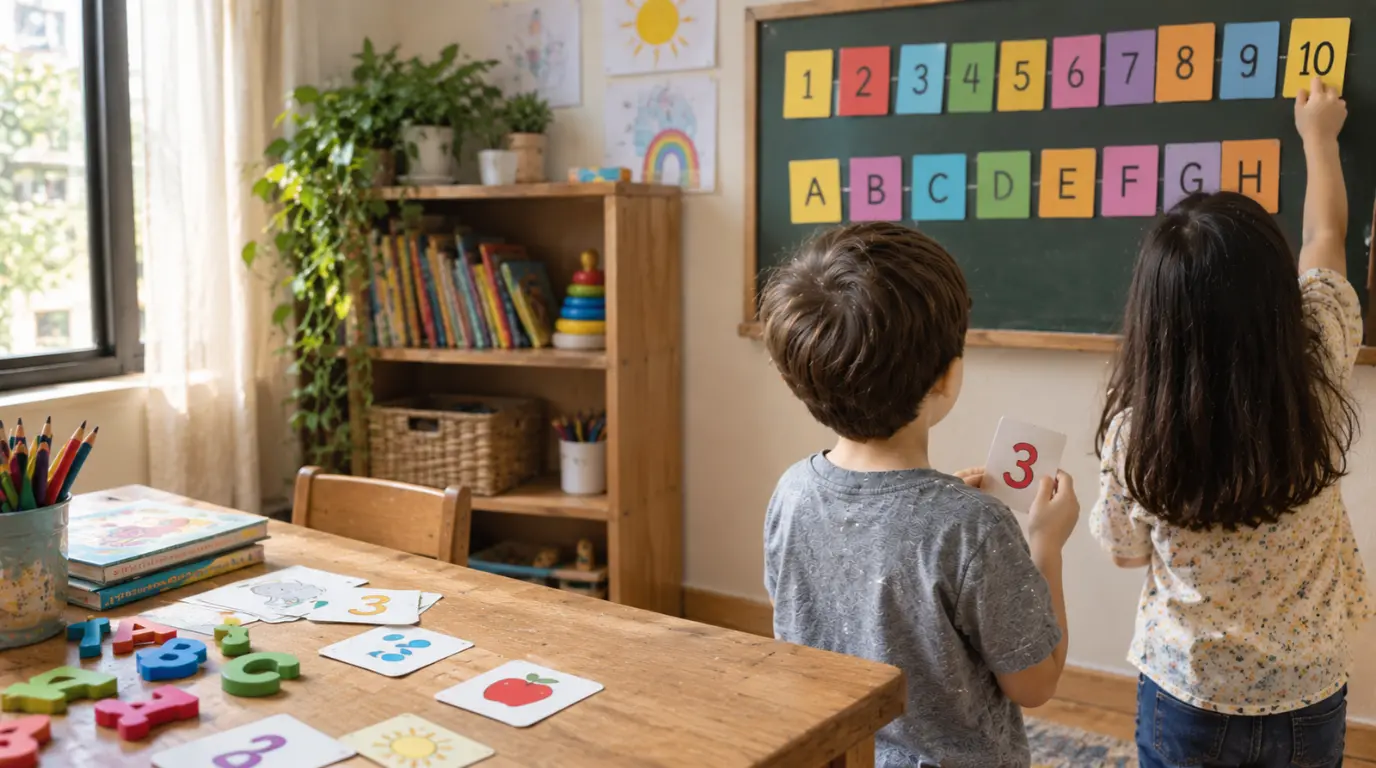
One of the easiest ways to teach young children is to connect learning with things they already know. Instead of making every lesson feel like formal schoolwork, use objects around the house to introduce numbers and letters. During playtime, you can point to a toy car and say, “Car starts with C.” When putting toys away, ask your child to count how many toys are in the box. These small conversations help children understand that the alphabet and numbers are not simply symbols found on worksheets. They are part of everyday life.
2. Teach Letter Names and Sounds Together
Learning the alphabet is more useful when children understand both what a letter is called and what sound it commonly represents. Instead of only teaching A, B, C in sequence, introduce the connection between letter names and sounds. For example, explain that “B” is called “bee” and can represent the /b/ sound in words such as “ball” and “banana.” PlayLearnFree includes printable alphabet activities that involve tracing and finding letters, making practice more interactive than simply repeating letters.
3. Make Counting a Part of Daily Life
Children can learn numbers naturally when counting becomes part of their daily routine. You do not always need special teaching materials to practice numbers. Count steps while walking, count toys before putting them away, or count blocks while building a tower. Once your child becomes comfortable with small numbers, gradually increase the quantity. Printable resources such as PlayLearnFree’s number tracing and number-hunt activities are designed to help preschoolers recognize and practice numbers while keeping the activity playful.
4. Introduce Learning Through Songs and Rhymes
Songs and rhymes can make repetition much easier for preschoolers. Children often enjoy repeating sounds and words, which makes songs useful for introducing alphabet and numbers. Alphabet songs can help children become familiar with the sequence of letters. Counting songs can help them practice numbers in order. You can also create simple rhymes around individual letters or numbers. For example, clap five times while saying “one, two, three, four, five.” For alphabet practice, choose a letter and sing words that begin with its sound.
5. Turn Learning into a Game
Young children often learn more enthusiastically when they feel that they are playing rather than studying. Simple games can turn letters and numbers into an enjoyable challenge. For example, place several letter cards around a room and ask the child to find the letter you name. Another activity is a “find and circle” game where children search a worksheet for every A, B, or 3 they can find. PlayLearnFree includes letter-hunt and number-hunt printable activities, reflecting this play-based approach to early learning.
6. Use Tracing to Build Recognition and Writing Skills
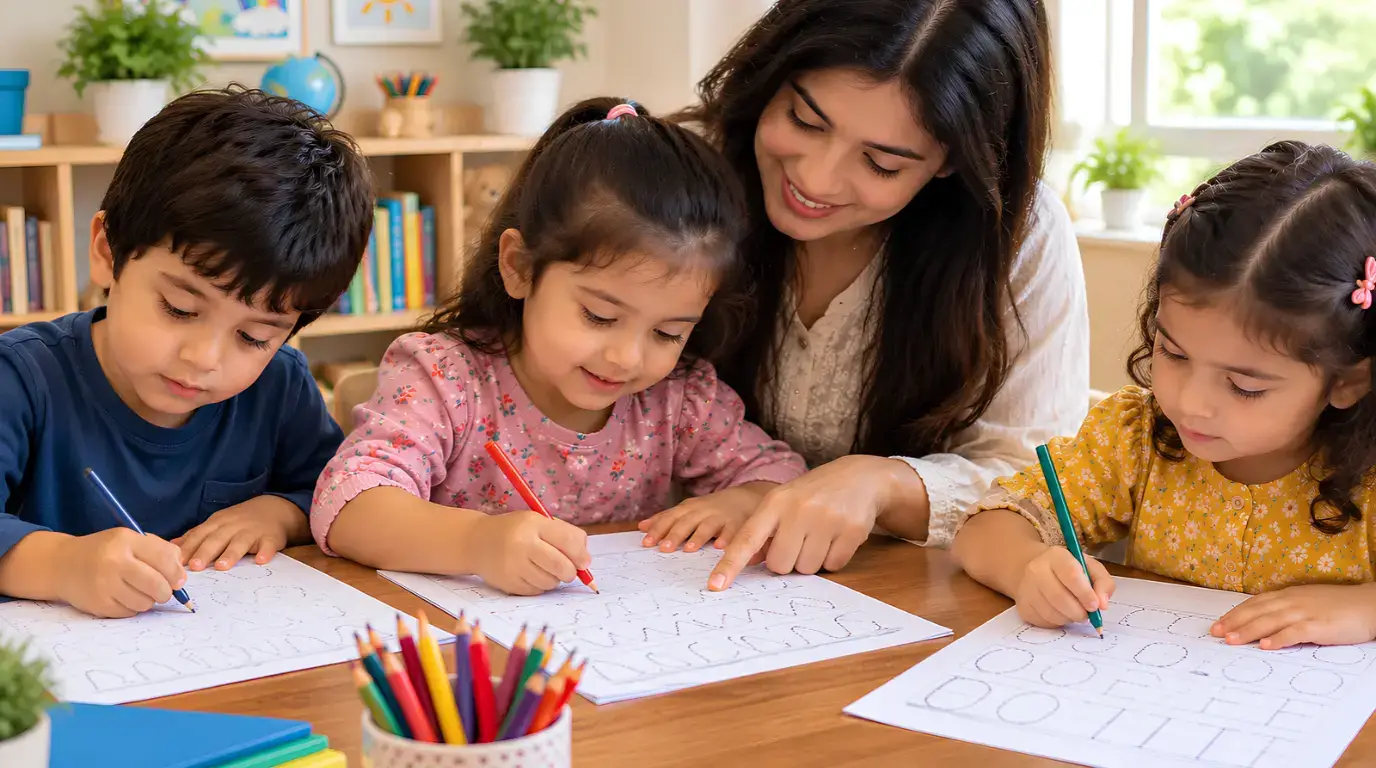
Tracing is a simple activity that can support both recognition and early writing development. Preschool children are still developing their fine motor skills, so they may not immediately be able to write letters or numbers independently. Printable preschool ketters and numbers activities can be particularly useful because parents can print them whenever children need additional practice. PlayLearnFree offers printable tracing and worksheet resources for preschool and kindergarten learners.
7. Combine Coloring with Learning
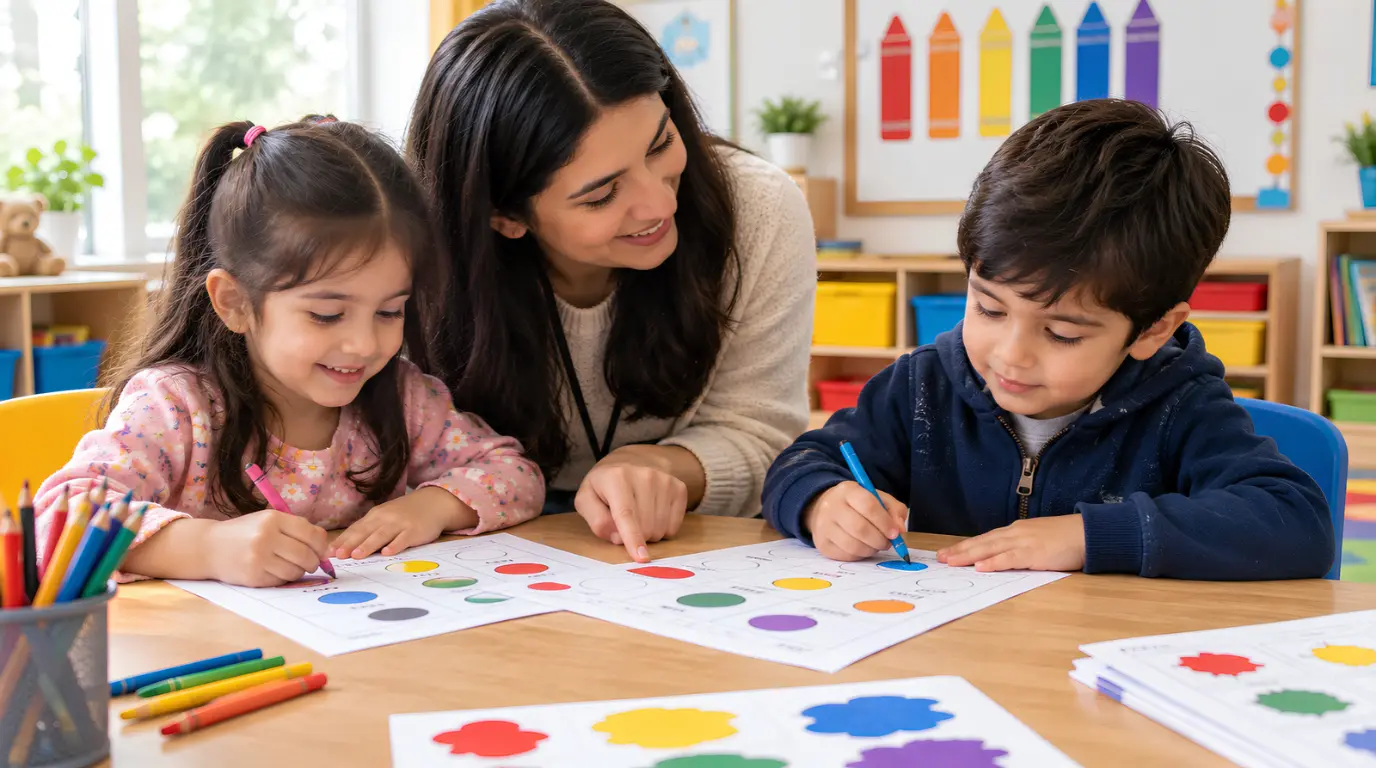
Coloring can be more than just a creative activity. It can also provide an opportunity to practice number and alphabet recognition while developing fine motor control. Give your child a page containing a large letter and ask them to color it. While they color, repeat the letter name and sound. For numbers, ask them to color the number and then count a corresponding group of objects. PlayLearnFree provides printable alphabet coloring and numbers coloring/ and racing resources that combine early learning with creative activities.
8. Use Worksheets as Practice
Worksheets can be valuable for preschool learning, but they should not become a source of pressure. Children should have opportunities to explore and make mistakes. Use Alphabet Worksheets for Preschool to reinforce letters that children have already encountered through games, songs, books, or conversations. PlayLearnFree provides downloadable printable PDFs for home and classroom use, including ABC learning worksheets, number tracing, letter hunts, and other activities.
9. Practice One Small Group at a Time
Preschool children do not need to learn every letter and number at once. Trying to cover too much information can make lessons overwhelming. Instead, introduce a small group of letters or numbers and give children enough time to practice them. For example, you might focus on A, B, and C for several activities before introducing additional letters. The same principle applies to numbers.
10. Celebrate Progress and Keep Learning Fun
Perhaps the most important tip is to make children feel successful. Preschool learning should build curiosity and confidence rather than fear of making mistakes. Praise effort when a child correctly identifies a letter, counts objects, traces a number, or recognizes a sound. If they make a mistake, gently correct them and give them another opportunity. You can also create a simple learning routine. For example, spend a few minutes reviewing letters, followed by a counting game and then a coloring or tracing activity. This creates variety and keeps children engaged.
Final Thoughts
Teaching preschool children’s numbers and letters of the alphabet does not have to involve complicated lessons or expensive educational materials. The best activities are often simple, playful, and connected to the child’s everyday experiences. Parents and teachers can introduce letters through conversations, songs, stories, letter hunts, tracing, and coloring. Most importantly, learning alphabet and numbers should feel enjoyable. PlayLearnFree offers free printable PDFs for preschool and kindergarten children, including alphabet worksheets, number activities, tracing pages, and hunt-style activities. It’s simple ‘browse, download, print and play’ approach makes it convenient for parents and teachers looking for screen-free learning activities.