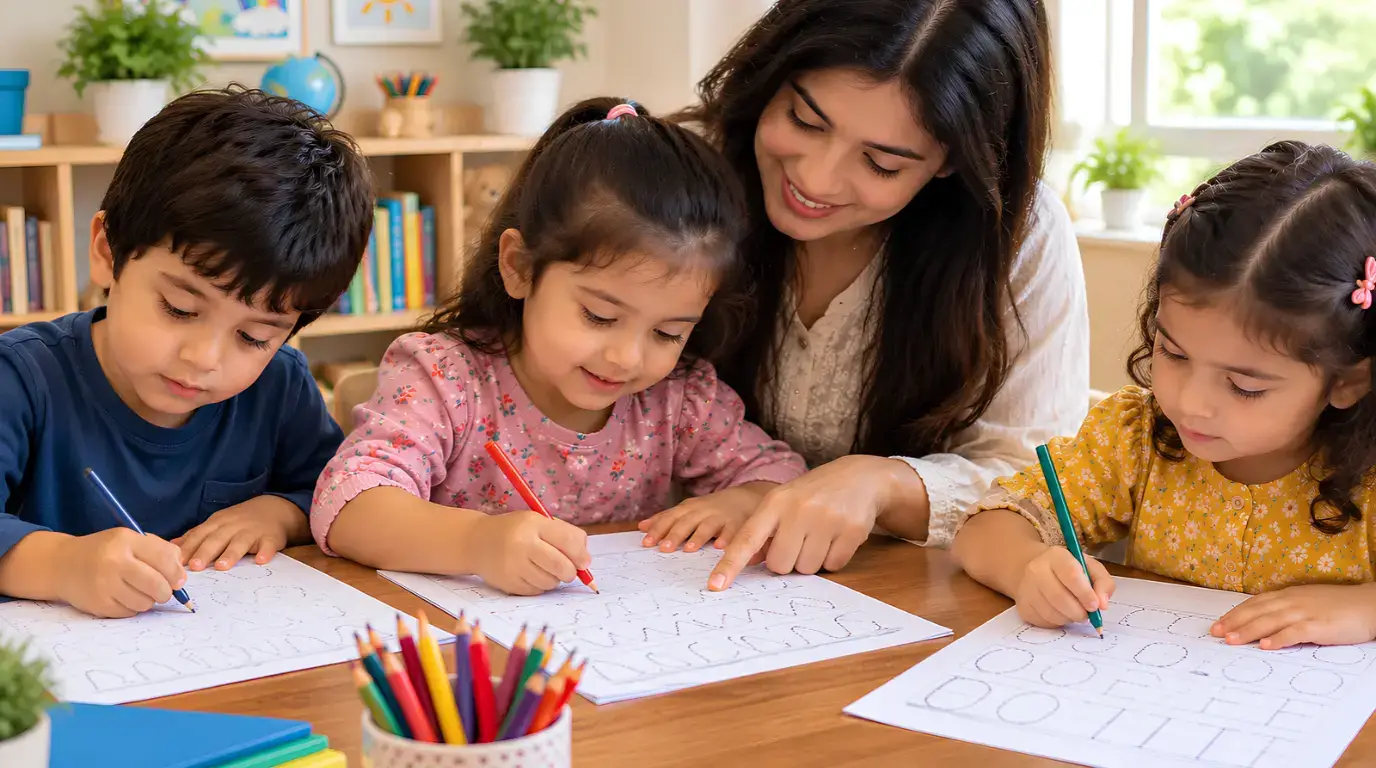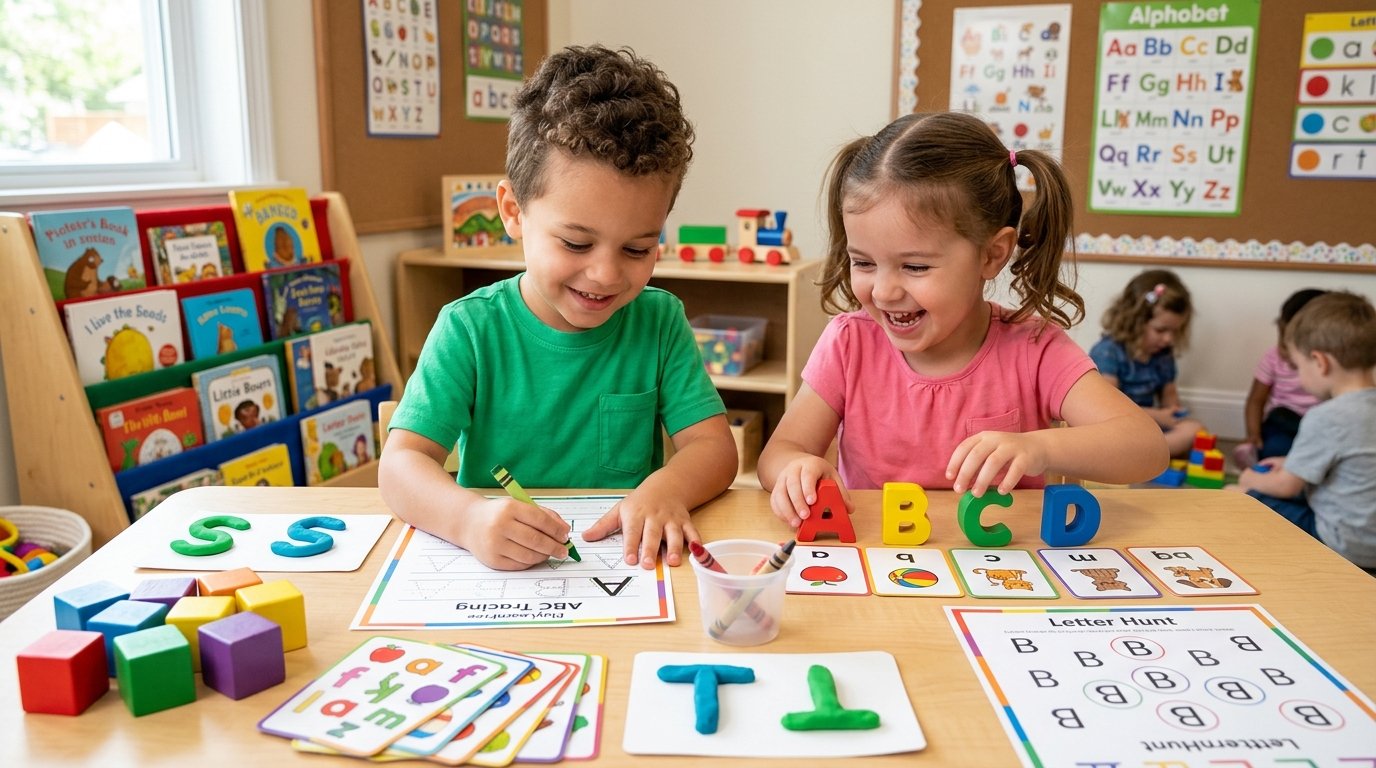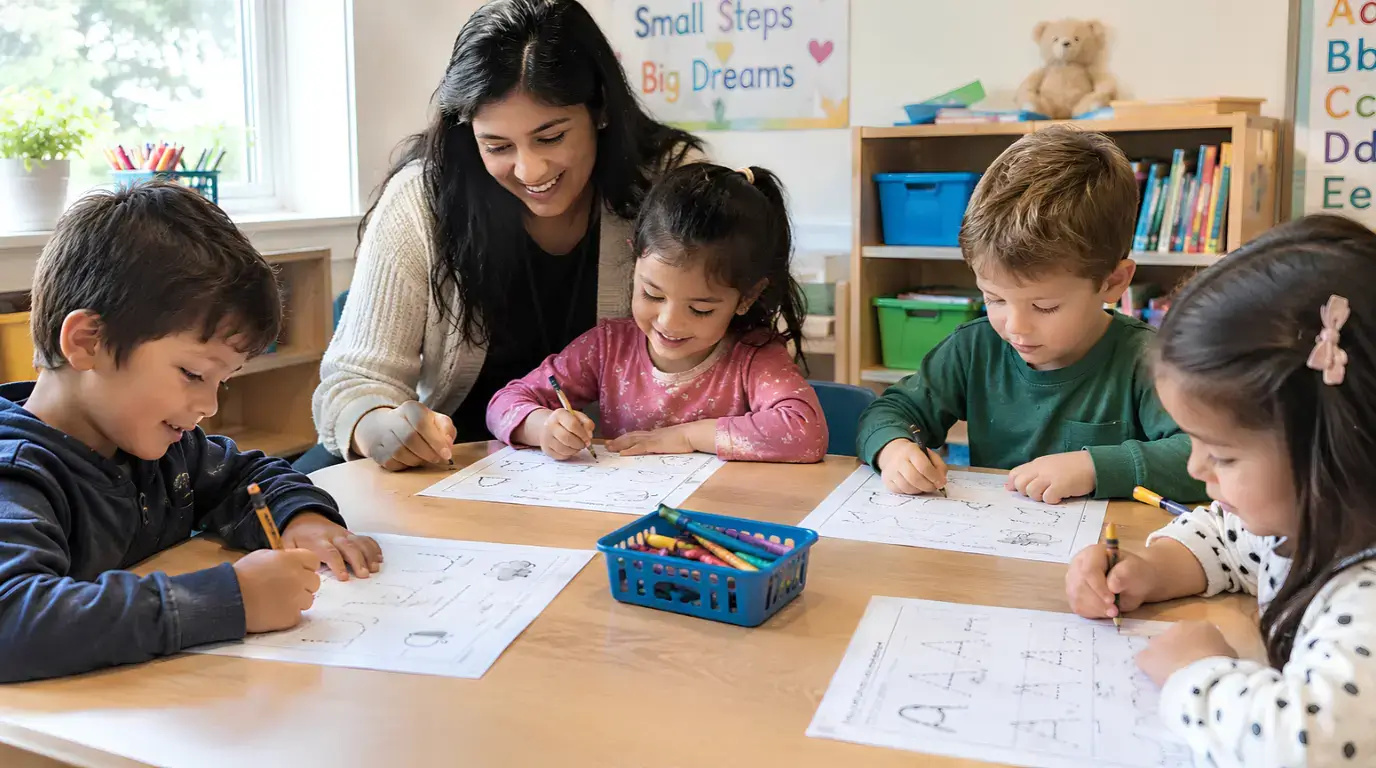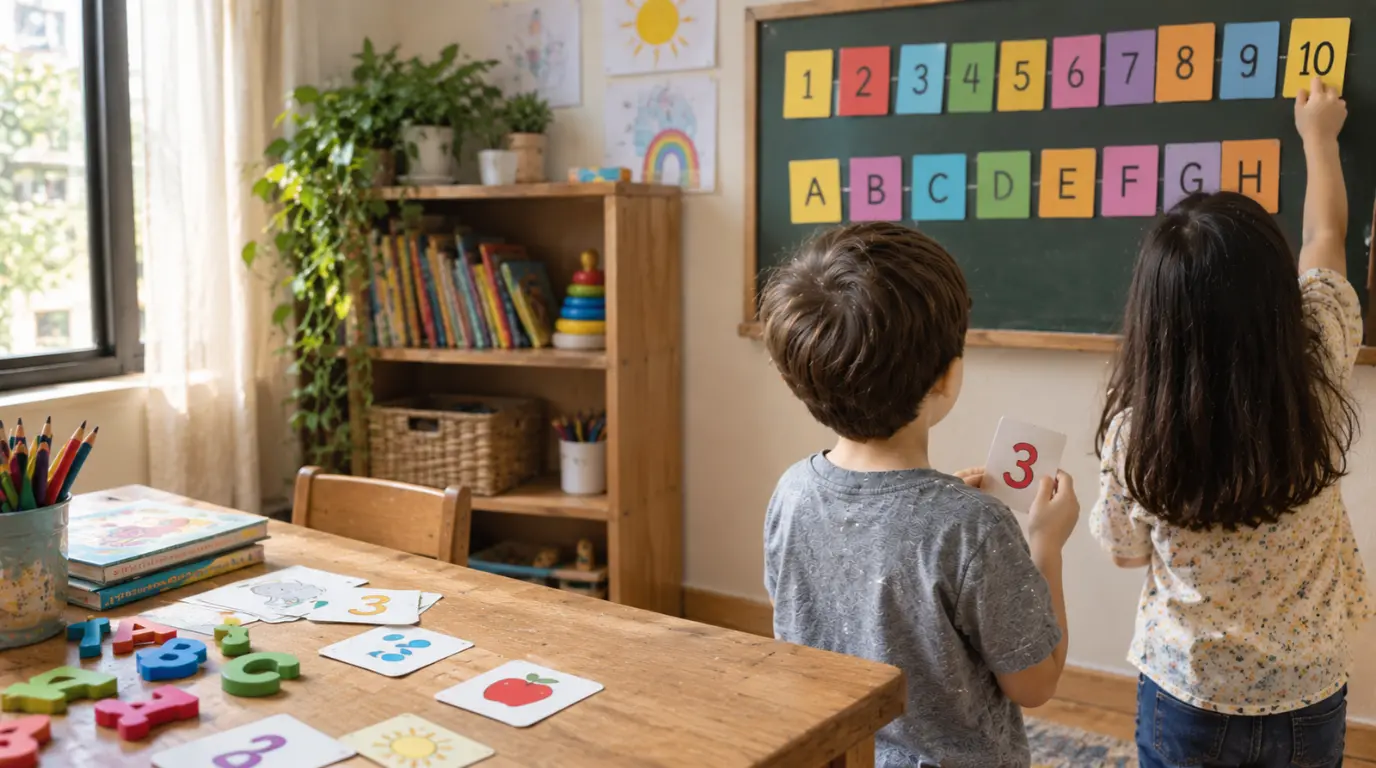
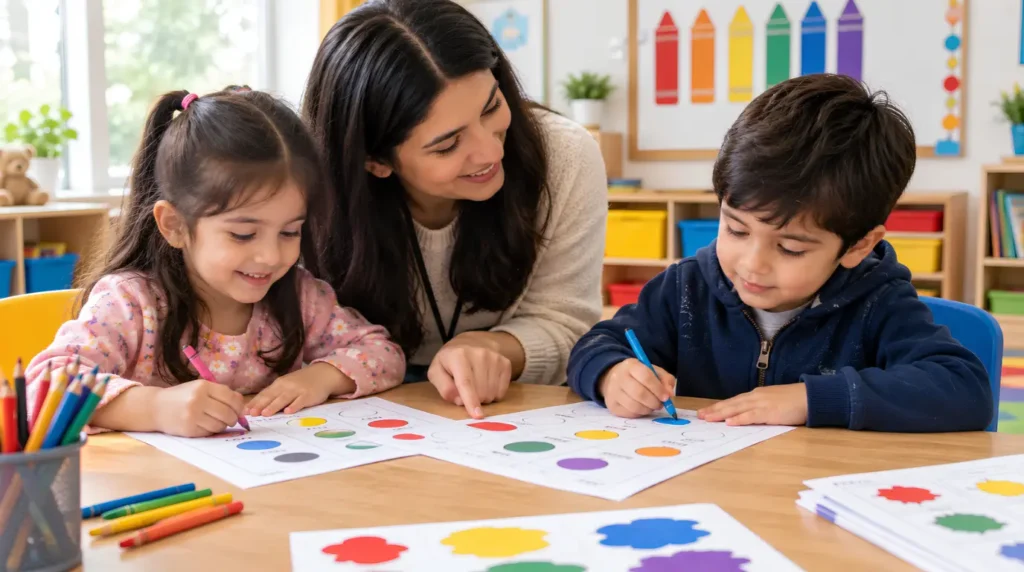
Teaching colors to kindergarten kids is an exciting way to introduce them to learning. At this age, children are naturally curious about what they see around them, from colorful toys and picture books to flowers, fruit, and clothes. Learning colors helps children develop observation skills, improve vocabulary, and express their ideas more clearly. One of the easiest ways to introduce colors is through fun activities that combine play, creativity, and practice. PlayLearnFree’s coloring worksheets can make this learning process simple and enjoyable. Keep lessons short, encourage exploration, and give children plenty of opportunities to practice what they learn.
Why Is Learning Colors Important for Kindergarten Kids?
Learning colors is an important part of early childhood education because it helps children understand and describe their surroundings. Color recognition also supports early learning skills such as sorting, comparing, matching, and identifying patterns. For example, a teacher may ask children to group all the red blocks or find objects that are the same color. These simple activities encourage children to observe details and think carefully. Using a coloring worksheet alongside these activities gives children a chance to practice identifying colors while developing hand control and creativity.
Start with Basic Colors Before Introducing More Shades
When teaching colors, it is best to begin with a few familiar options instead of introducing every color at once. Start with red, blue, yellow, and green because children can easily find these colors in their environment. Once they become comfortable recognizing these colors, gradually introduce orange, purple, pink, brown, black, white, and other shades. Parents and teachers can make the process easier by connecting each color with a familiar object. It is important to remember that every child learns at a different pace. Some children may recognize colors quickly, while others need more repetition.
Kindergarten Worksheet to Teach Matching
Matching activities are a simple way to strengthen color recognition. PlayLearnFree’s kindergarten coloring sheets can feature objects that children need to color according to a given example. For instance, a worksheet may show a red balloon beside a blank balloon, asking children to color the second balloon red as well. Another activity is to provide pictures of objects in different colors and ask children to match them with the correct color names.
Use Coloring Worksheets to Make Learning Fun
Young children learn best when educational activities feel like play. PlayLearnFree coloring worksheets combine learning with creativity. A page featuring a simple apple, flower, butterfly, or ball gives children a clear picture to recognize and color. Choose worksheets with large pictures, clear outlines, and only a few objects on each page. Complicated designs can overwhelm kindergarten children and make it harder for them to focus on the learning goal. As their skills improve, introduce slightly more detailed pictures and activities that involve identifying several colors on one page.
Using Coloring Worksheets for Regular Practice
Consistency is more helpful than long, tiring lessons. Using coloring worksheets for kindergarten free for a few minutes each day can help children become more familiar with different colors. Instead of completing several pages in one sitting, choose one activity and focus on a single skill. On one day, children might identify primary colors. On another day, they could match colors with everyday objects or complete a picture according to simple instructions. Repeating familiar activities is not a waste of time; it helps children strengthen their understanding and become more confident.
Use Themed Coloring Worksheets
Themed activities can make color lessons more interesting because children enjoy learning about subjects they already know. Printable coloring sheets for kindergarten can be organized around topics such as animals, nature, food, transport, seasons, and community helpers. For example, a garden-themed activity can introduce green leaves, red flowers, yellow butterflies, and brown tree trunks. A fruit-themed page can help children recognize the colors of strawberries, bananas, grapes, and oranges. Teachers can discuss each object before asking children to color it, turning a simple activity into a useful vocabulary lesson.
Practice Color Recognition at Home
Home learning can be just as effective as classroom practice when activities are enjoyable. PlayLearnFree’s free printable coloring sheets for kindergarten allow parents to create simple learning opportunities without turning the home into a formal classroom. Begin by choosing a worksheet that matches your child’s interests. If your child loves animals, print a page featuring familiar animals. If they enjoy vehicles, choose pictures of cars, buses, or trains. Ask your child to name each object, identify its color, and then color it using crayons or colored pencils. You can also extend the activity beyond the worksheet. After coloring a yellow bus, ask your child to find another yellow object in the room. After completing a picture of a green tree, look for green plants outside. These small activities help children understand that colors are part of their everyday experiences.
Common Mistakes to Avoid When Teaching Colors
One common mistake is introducing too many colors at the same time. Young children need opportunities to recognize and practice each color before moving on to more complex activities. Start with a small group of familiar colors and add new ones when your child is ready. Another mistake is expecting every child to color neatly within the lines. Fine motor skills are still developing during kindergarten, so uneven coloring is completely normal. Focus on participation, color identification, and gradual improvement rather than perfection.
Conclusion
Teaching colors to kindergarten children does not have to be complicated. With familiar examples, short lessons, and fun activities, parents and teachers can help children recognize colors while building vocabulary, concentration, and creativity. The most effective approach combines real-life experiences with hands-on practice and opportunities for independent exploration. Explore PlayLearnFree for more educational resources and activities that make learning enjoyable at home or in the classroom.