Early childhood is one of the most important stages in a child’s life because it lays the foundation for future learning, communication, and problem-solving skills. During preschool and kindergarten, children are naturally curious and eager to explore the world around them. They learn through play, observation, repetition, and hands-on activities that make their experiences meaningful. One simple yet effective way to support this development is by using printable worksheets. The benefits of printable worksheets go beyond academic learning because they can also help children develop concentration, fine motor skills, independence, and confidence. With engaging educational resources from PlayLearnFree, parents and teachers can make early learning more interactive, flexible, and enjoyable.
Encourage Independent Learning and Confidence
Children feel proud when they complete a task independently, especially when they can see the results of their efforts. One of the important benefits of preschool worksheets is that they give children opportunities to practice making decisions and solving simple problems on their own. A matching activity, for example, may ask a child to connect animals with their names or pair objects that belong together. As children understand the instructions and complete each task, they begin to trust their abilities. Parents and teachers can strengthen this confidence by appreciating effort, celebrating small improvements, and offering gentle guidance when needed.
Improve Letter Recognition and Early Reading Skills
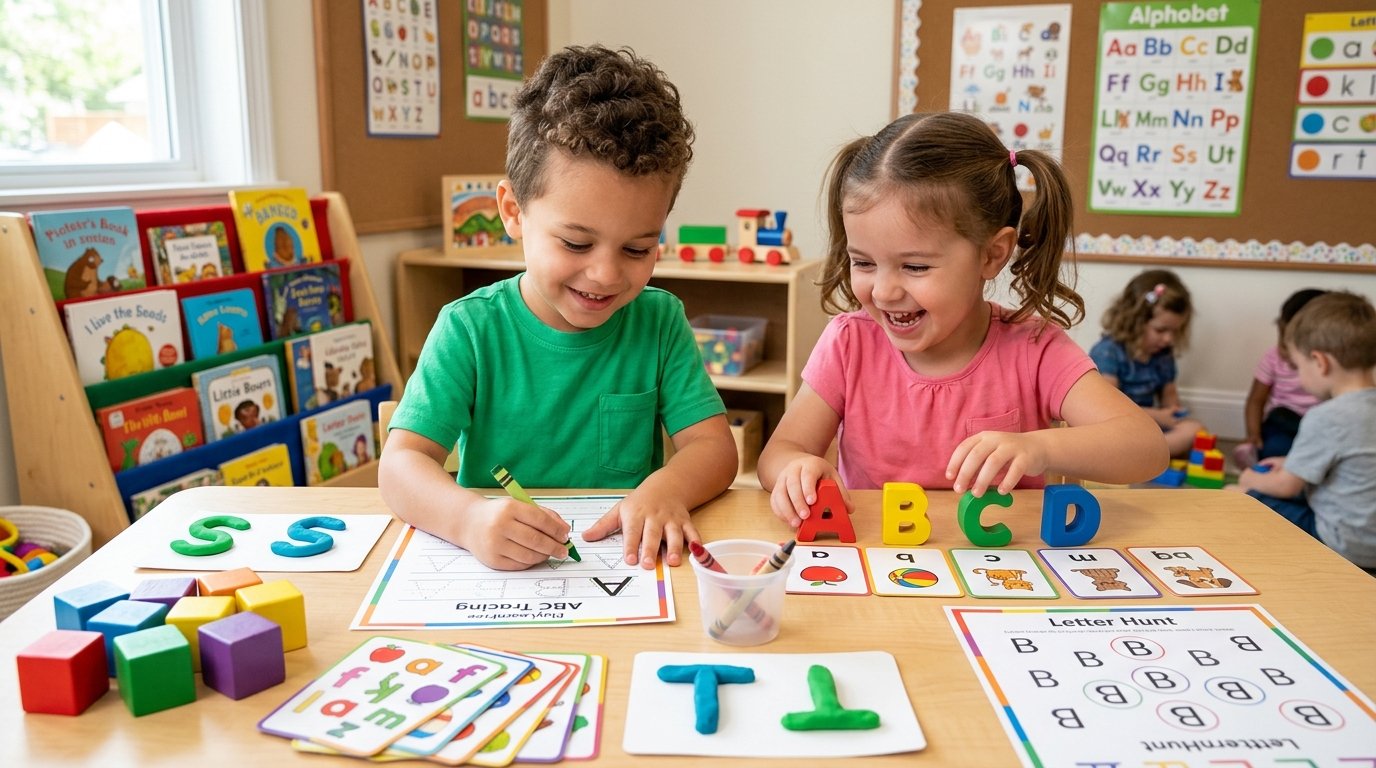
Learning to read begins long before children can understand complete sentences or read storybooks independently. They first need to recognize letters, distinguish between similar shapes, and understand the relationship between letters and sounds. Alphabet worksheets can support this process by encouraging children to trace uppercase and lowercase letters, match letters with pictures, and identify familiar words. For example, a child might connect the letter A to an apple or trace the letter B next to a picture of a ball. These simple exercises make abstract symbols easier to understand and remember.
Provide Flexible Learning at Home and in the classroom
One practical advantage of printable worksheets is that they can be used in different learning environments without requiring expensive educational equipment. Parents can print suitable activities for home practice, while teachers can use them during classroom lessons, small-group activities, or individual learning sessions. Families can select worksheets based on a child’s current needs, whether the child is learning to trace letters, count objects, recognize shapes, or improve pencil control. PlayLearnFree can serve as a useful starting point for parents and educators looking for accessible educational activities that complement children’s everyday learning experiences.
Strengthen Number Recognition and Basic Math Skills
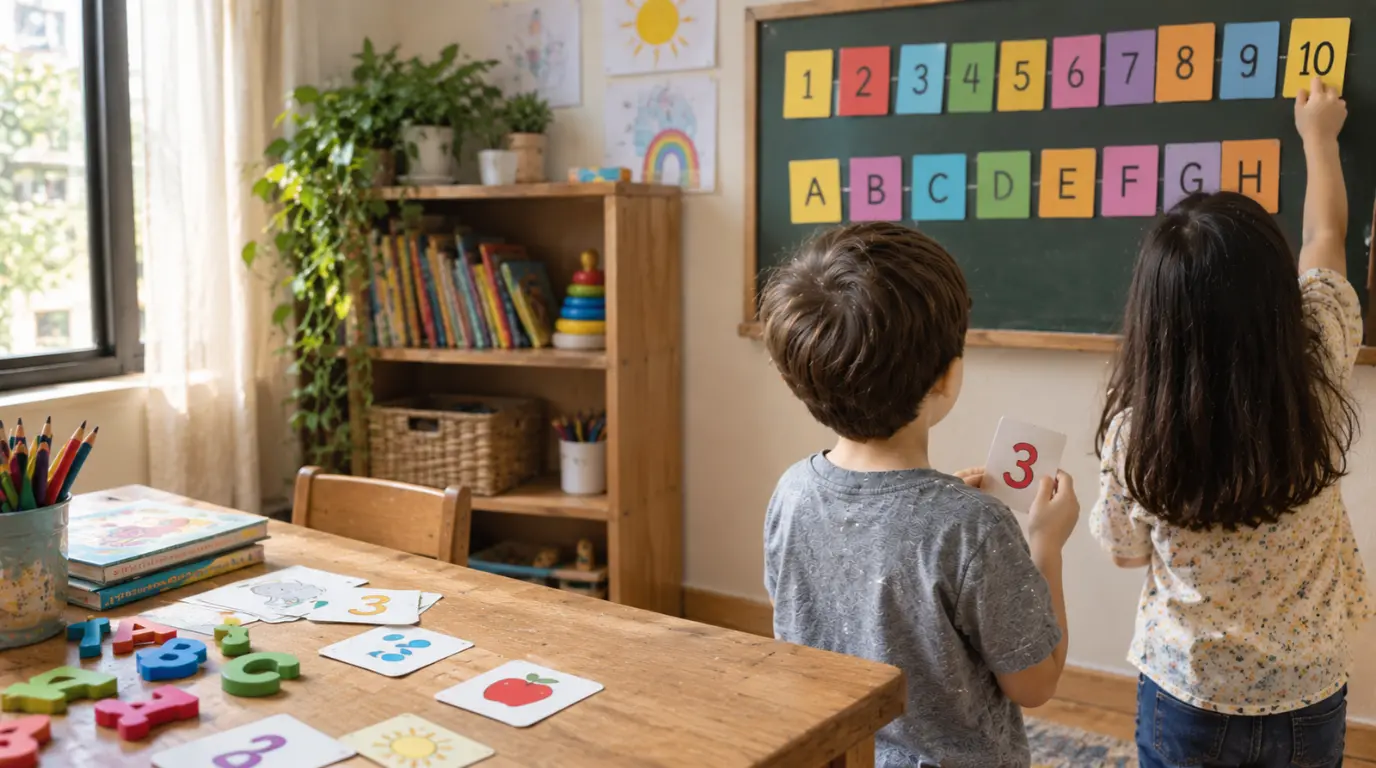
Early mathematics becomes easier when children can connect numbers with real objects and familiar situations. Kindergarten worksheets can introduce counting, number recognition, number sequencing, patterns, and simple addition through colorful pictures and interactive exercises. For example, children can count five flowers, match a number to a group of objects, or identify which group contains more apples. These activities help them understand that numbers represent quantities, not just symbols on a page. Worksheets can also introduce basic comparisons, such as big and small, more and less, and long and short.
Develop Fine Motor Skills
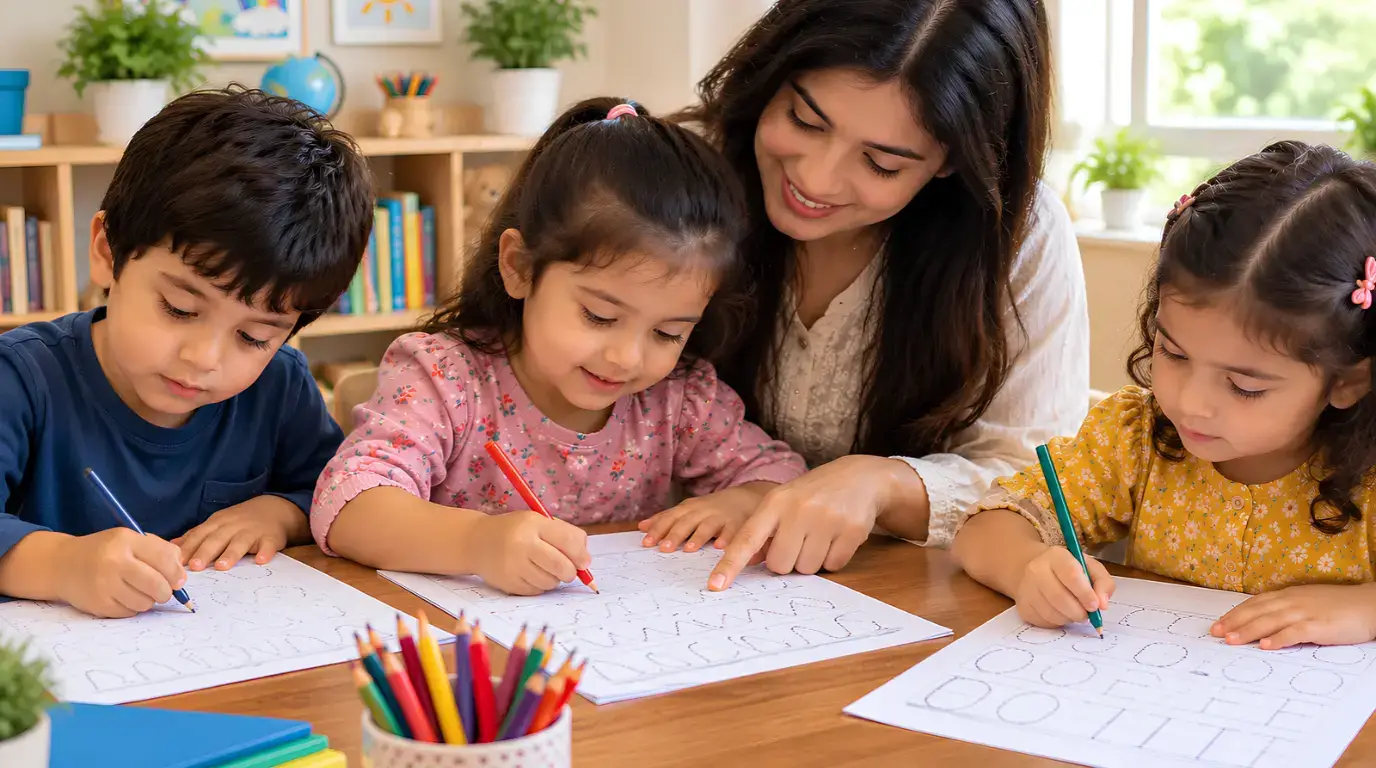
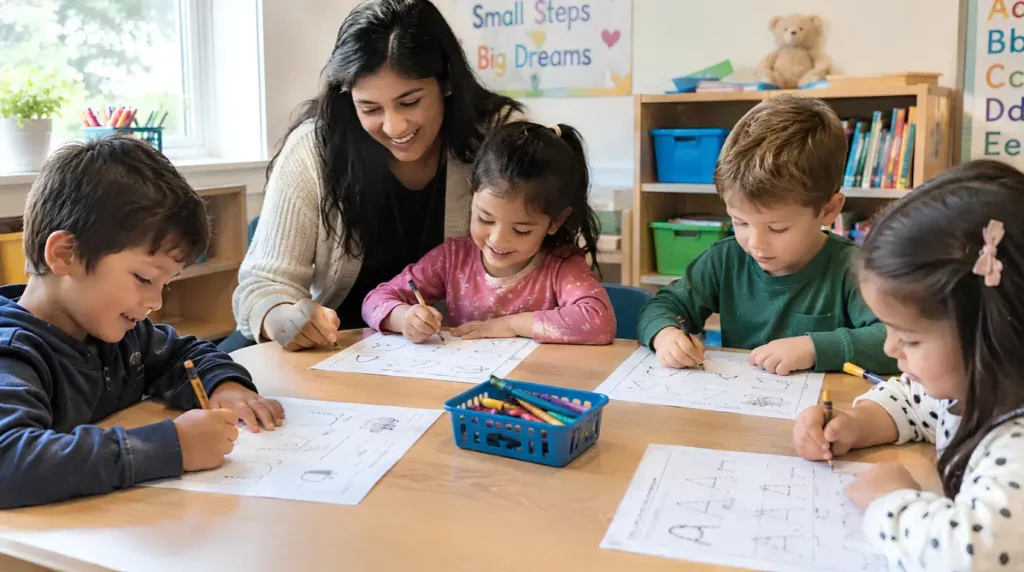
Fine motor skills involve the small movements of the hands and fingers that children need for writing, drawing, buttoning clothes, and handling everyday objects. Many worksheet activities encourage children to practice these movements naturally. Tracing letters, following dotted lines, drawing shapes, connecting pictures, and coloring within boundaries all require controlled hand movements. These tasks also support hand-eye coordination because children must watch what they are doing while guiding a pencil or crayon across the page. Over time, regular practice can help children gain better control over their writing tools and prepare their hands for more advanced classroom activities.
Improve Concentration
Young children often move quickly from one activity to another because they are still learning how to manage their attention. Short, engaging worksheet activities can help them practice focusing on a particular task for an appropriate amount of time. For example, a child may need to find all the circles on a page, trace a simple pattern, or identify objects that begin with a particular letter. Completing such activities encourages children to follow instructions, observe details, and work toward a clear goal. The key is to choose tasks that match the child’s age, interests, and current abilities.
Make Learning Fun Through Pictures and Activities
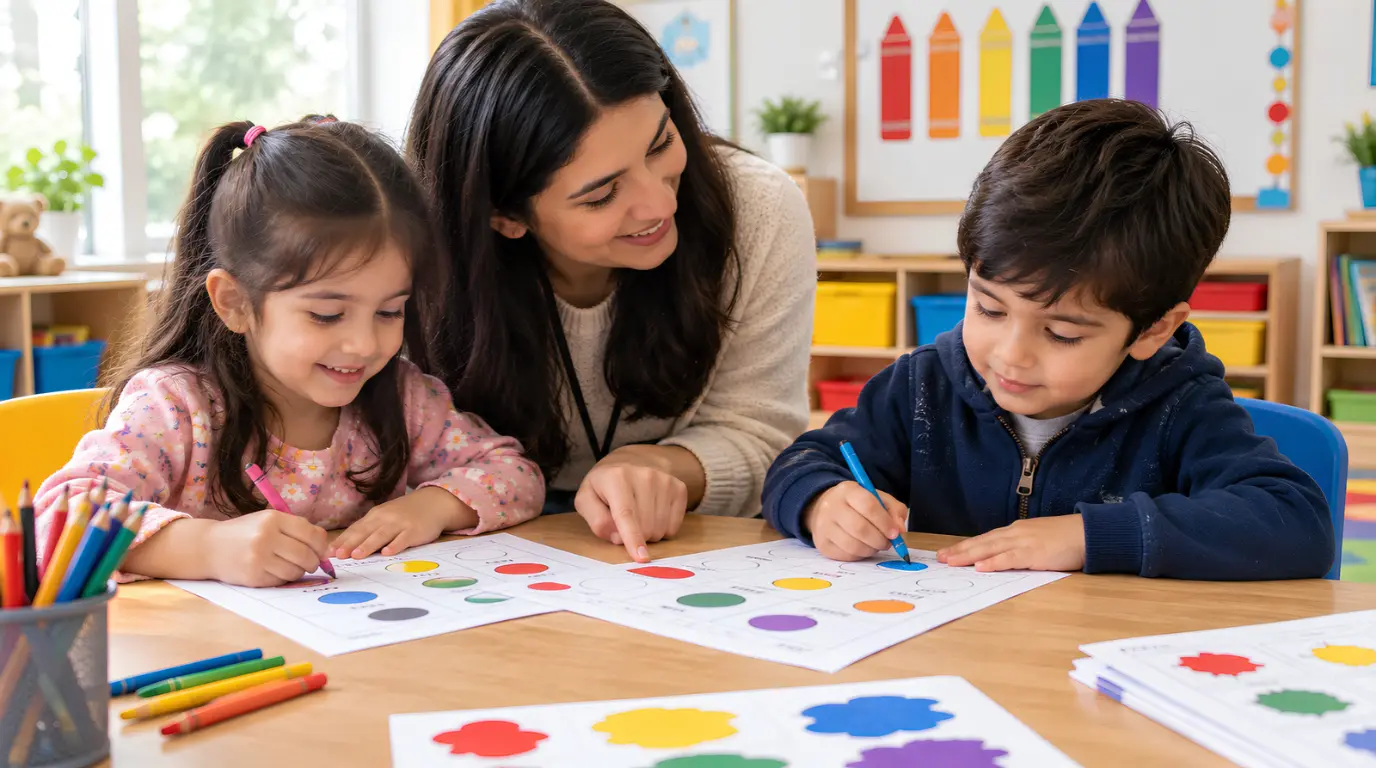
Children learn more willingly when educational activities are visually appealing and connected to things they already enjoy. Printable worksheets for kids can include familiar animals, fruits, vehicles, toys, shapes, and everyday objects to make new concepts easier to understand. Picture-based activities are especially helpful for young learners who may not yet be comfortable reading written instructions. A coloring worksheet can introduce colors, while a picture-matching exercise can encourage observation and vocabulary development. Similarly, mazes, puzzles, and simple drawing tasks can make learning feel like play rather than formal study.
Strengthen the Connection Between Parents and Children
Learning at home can become a valuable bonding experience when parents participate patiently and enthusiastically. Working together on a worksheet gives adults an opportunity to understand what their children know, where they need support, and which activities interest them most. Parents can read instructions aloud, help children identify pictures, ask simple questions, and praise their efforts. These conversations also encourage vocabulary development and communication skills. For example, while completing a fruit-counting worksheet, a parent might ask the child to name each fruit, describe its color, or recall which fruits they have eaten recently.
Final Thoughts
The educational benefits of worksheets for preschool and kindergarten children go beyond simply completing activities on a page. Used thoughtfully, they can help children build early reading and math skills, strengthen fine motor coordination, improve concentration, develop creativity, and build confidence in their abilities. They also give parents and teachers a convenient way to reinforce key concepts and provide extra practice based on each child’s needs. The most effective approach is to choose engaging, age-appropriate activities and balance them with storytelling, outdoor play, hands-on exploration, and meaningful interaction. Explore PlayLearnFree for suitable learning resources, and make each small activity an opportunity for children to discover something new, practice an important skill, and celebrate their progress.