
Learning to write is an important milestone in every child’s early education. From holding a pencil for the first time to writing their name independently, children build skills that boost their confidence as writers. Young learners need regular practice, patience, and enjoyable activities. This is where tracing worksheets can make a real difference. Tracing helps children understand how to form letters, numbers, and shapes before they begin writing independently. With suitable activities and consistent encouragement, children can gradually build the foundation for neat handwriting. Resources such as PlayLearnFree make early learning more accessible by offering printable educational activities that parents and teachers can use to support children’s development.
What Are Tracing Worksheets?
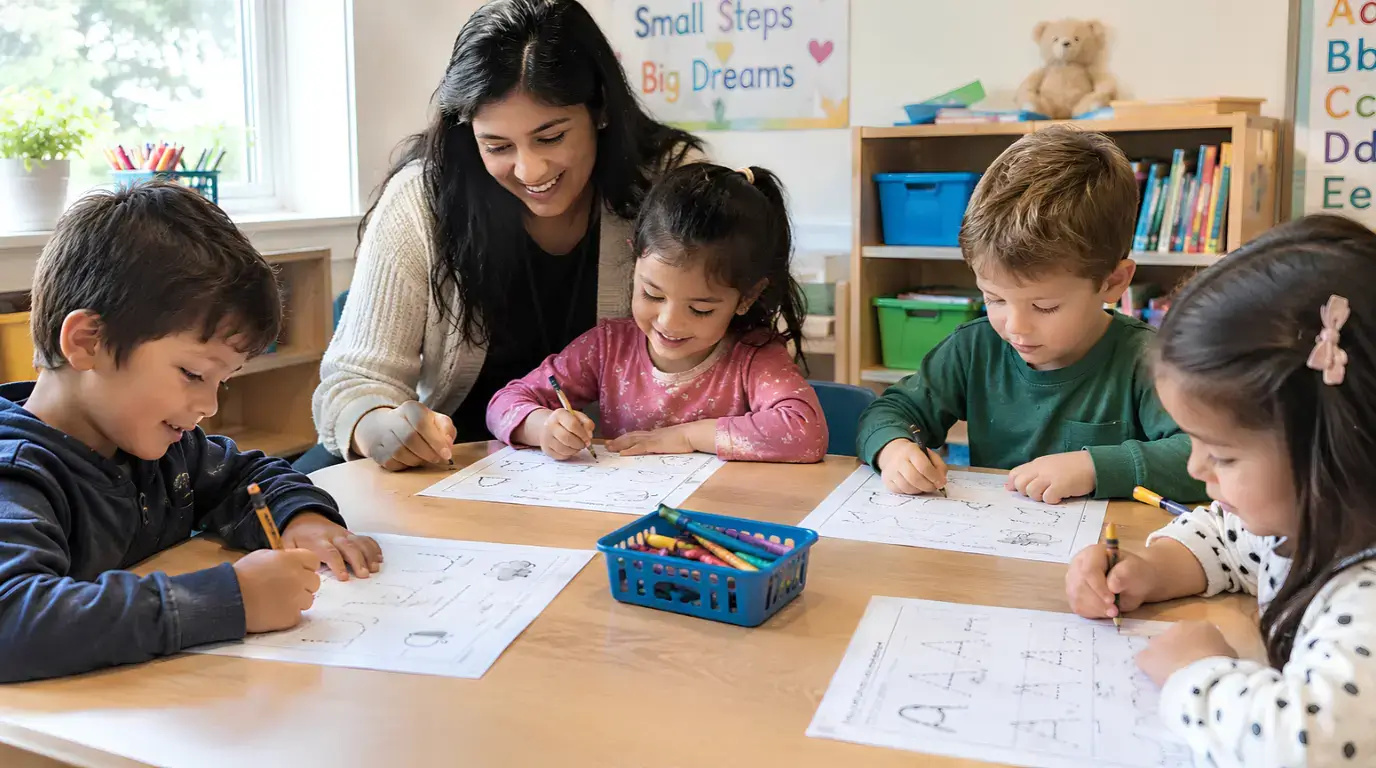
Tracing worksheets are learning materials that guide children as they practice drawing lines, shapes, letters, numbers, and simple pictures. They often include dotted outlines or faint patterns that children follow with a pencil, crayon, or marker. These guides help young learners understand the direction and movement needed to create different shapes and written characters. For preschool children, tracing usually starts with simple activities like straight lines, curved lines, circles, and zigzags. As their skills improve, they can move on to tracing uppercase and lowercase letters, numbers, and familiar words.
Why Tracing Worksheets Are Important for Children
The preschool years are an ideal time to introduce early writing activities because children are beginning to recognize letters, explore shapes, and develop greater control over their hands. However, every child develops at a different pace, so learning activities should match their abilities rather than follow a strict timetable. A tracing worksheet preschool activity can introduce writing in a gentle and manageable way.
Tracing Worksheets Make Practice Convenient
Parents and teachers often need learning resources that are easy to prepare and simple for children to use. PlayLearnFree’s tracing worksheets offer a convenient solution because they can be downloaded, printed, and used at home or in the classroom. With printable tracing worksheets, adults can select activities that suit a child’s current skill level. A beginner might need large shapes and wide tracing paths, while a child who already recognizes letters may benefit from alphabet practice or simple word tracing.
Tracing Worksheets Prepare Children for School
Kindergarten introduces children to more structured learning, including letter recognition, early reading, number writing, and basic classroom tasks. At this stage, children begin developing the skills they will need to complete writing activities more independently. Kindergarten tracing worksheets can help children practice uppercase and lowercase letters, numbers, and patterns. These activities reinforce the connection between what children see and the movements they make with a pencil.
Fun Tracing Worksheets for Preschool Children
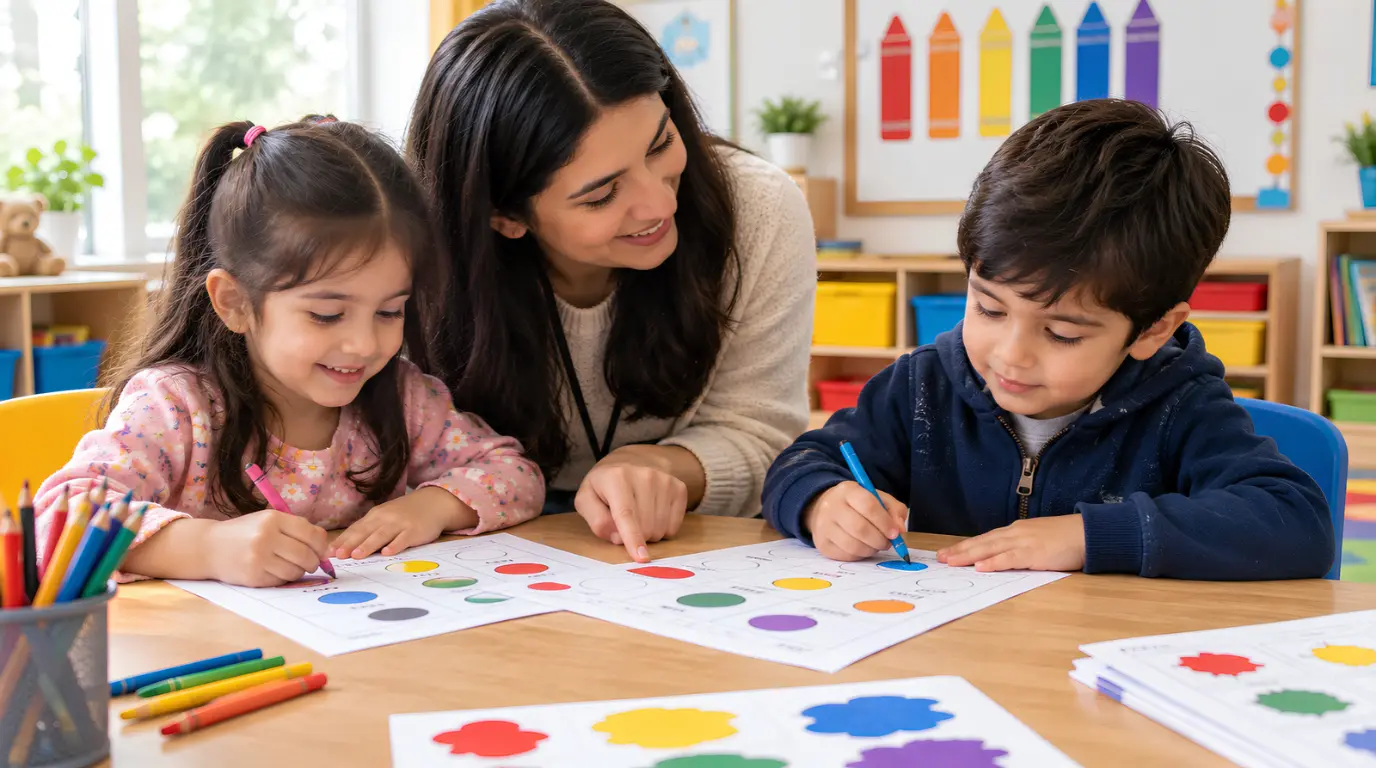
Preschool children learn best when activities are engaging, manageable, and suited to their interests. Free printable tracing worksheets preschool resources can combine basic writing practice with familiar pictures, shapes, and playful designs. These activities help children practice fine motor skills while keeping young learners engaged. For example, a child might trace a circle to complete a ball, follow a curved line to help an animal reach its home, or trace simple shapes before coloring them.
Tracing Worksheets Make Early Learning More Accessible
Children benefit from regular opportunities to practice writing, but parents do not always want to purchase new workbooks for every stage of learning. Free tracing worksheets can provide an affordable way to introduce different writing activities without adding unnecessary expenses. Parents can explore free educational resources such as PlayLearnFree to find activities that support early learning. Choosing a variety of activities can help children practice different skills without repeating the same task daily.
Tracing Worksheets Encourage Independent Practice
As children become more familiar with letters and numbers, they can begin completing simple activities with less assistance. Tracing kindergarten worksheets offer a structured way to practice independently while still providing visual guidance. Parents can encourage independence by showing children how to complete the first example and then allowing them to continue on their own. If a child becomes confused, offer a small hint instead of completing the task for them. This approach gives children a chance to think, experiment, and learn from their attempts.
Tracing Worksheets Build Writing Confidence
Some children feel nervous when they are asked to write a letter or word without assistance. They may worry about making mistakes or feel discouraged when their letters look different from those on the page. Tracing provides a helpful starting point because children have a visible guide to follow. PlayLearnFree’s tracing worksheets for kindergarten allow children to practice familiar letters and gradually become more comfortable with their shapes. When they complete a line of tracing successfully, they can see their progress and feel proud of their efforts.
How Tracing Helps Develop Fine Motor Skills
Fine motor skills involve the small movements of the fingers, hands, and wrists. Children use these movements for everyday activities such as buttoning clothes, picking up small objects, using scissors, and holding pencils. Developing these skills is an important part of preparing for handwriting. When children trace lines, they practice controlling their hand movements within a specific path. They learn to move their fingers carefully, adjust their pencil, and coordinate their hands with what they see on the page.
Conclusion
Tracing is a simple but valuable activity that can support children’s early handwriting development. By following lines, shapes, letters, and numbers, young learners practice pencil control, hand-eye coordination, and the movements involved in writing. From preschool beginners to kindergarten learners, children can benefit from activities that match their abilities and allow them to progress gradually. Printable tracing worksheets and other suitable educational resources make it easier for parents and teachers to provide regular practice at home or in the classroom. PlayLearnFree can be a helpful place to explore early learning activities that make practice more accessible.